

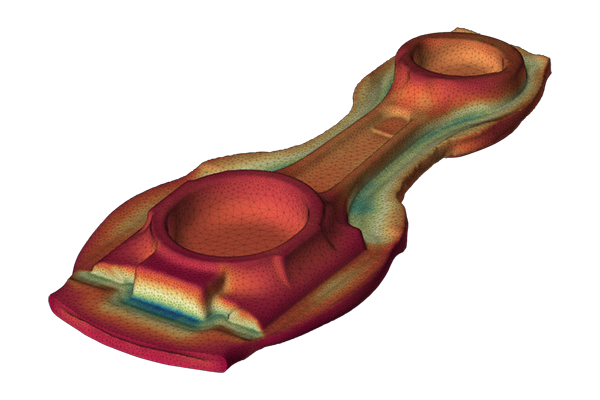
QForm UK is a universal program trusted and widely used by researchers, scientists, industrial engineers, and technical specialists. By using accurate numerical simulation, users can predict material flow, final geometry, defects, loads, and process limits at early design stages. This significantly reduces the need for costly physical trials, shortens development time, improves product quality, and increases tool life. Various metal products developed with the help of QForm UK are now used in components and systems that form an integral part of our everyday life.
QForm UK is designed for cold, warm, and hot die forging, open-die forging, rolling, profile extrusion, and other specific metal forming processes. The software can be extended with a variety of specialized modules, including microstructure prediction, heat treatment simulation, and user-defined subroutines. A lot of advanced capabilities are implemented through a flexible API, allowing users to customize the program for specific technological tasks and research needs.
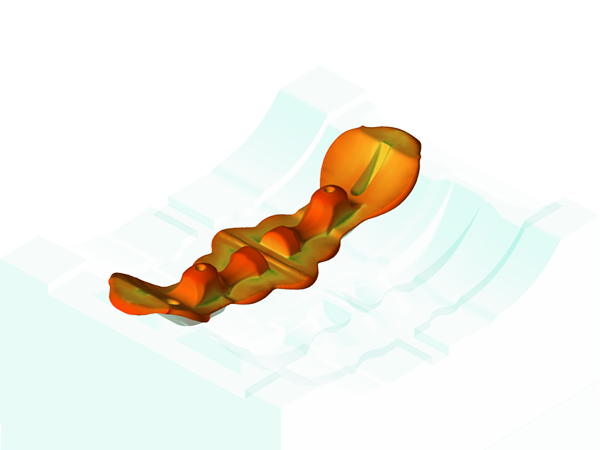
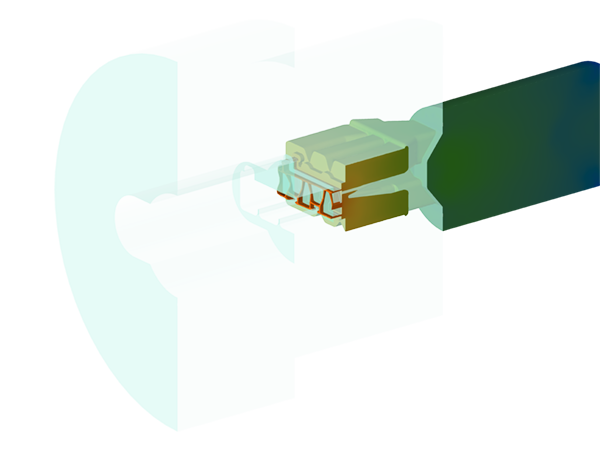
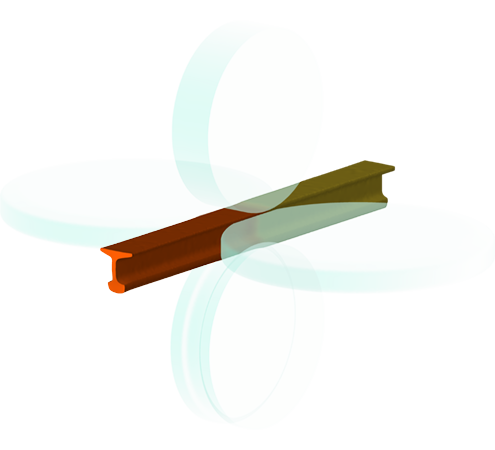
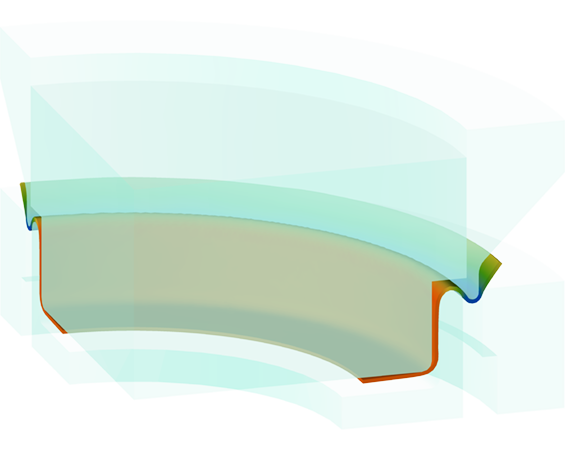
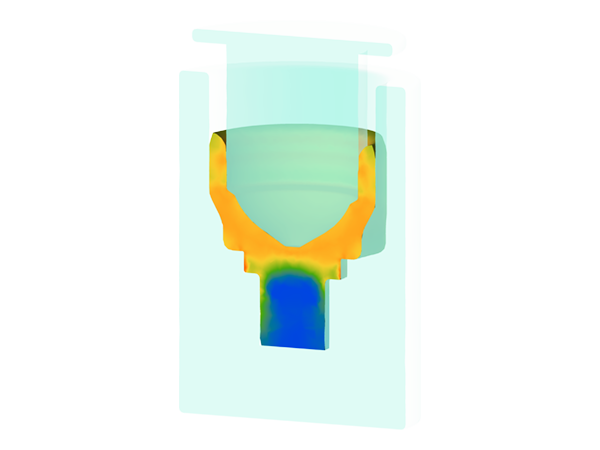
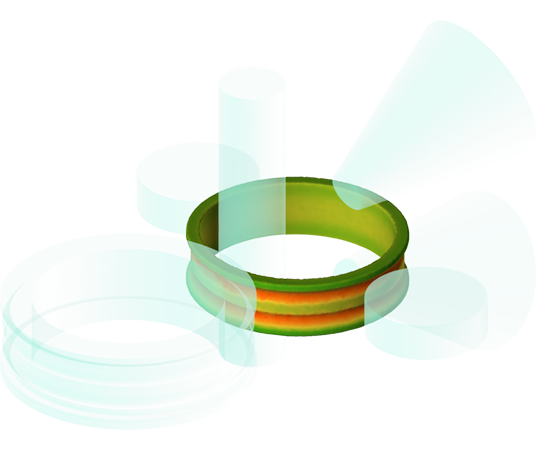
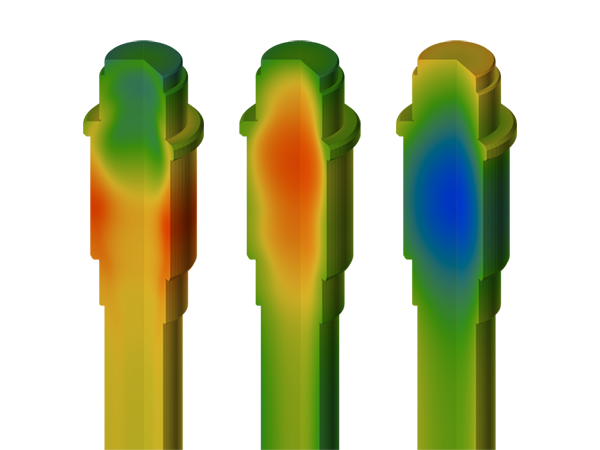
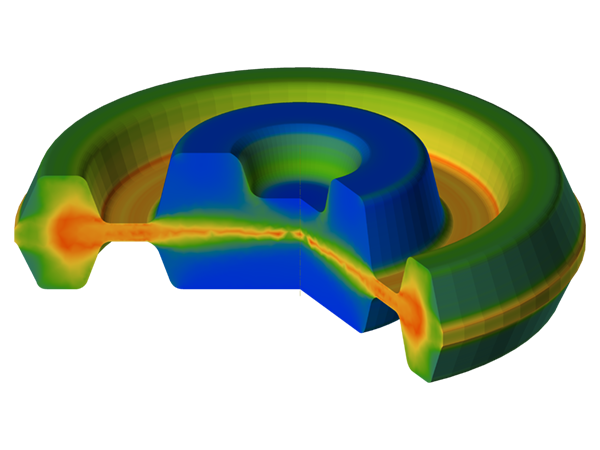
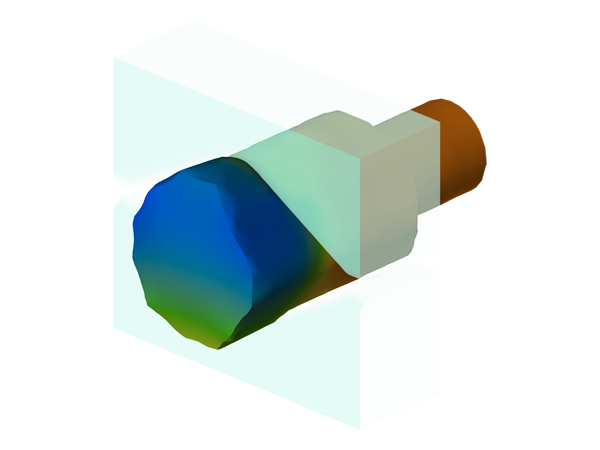
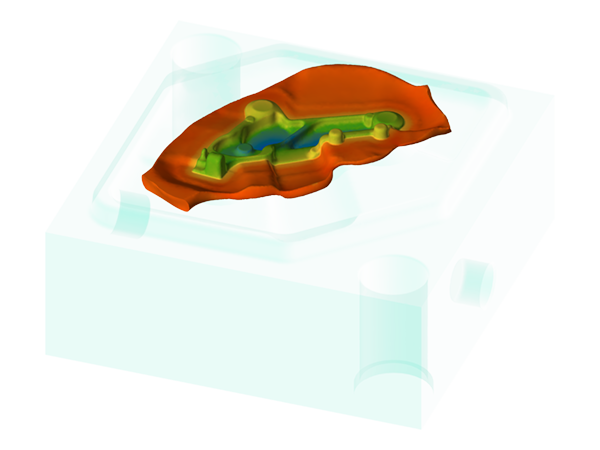
QForm UK is used for the development of a wide range of metal forming processes for parts production in the aerospace, defense, automotive, energy, aluminum extrusion, and many other industries. QForm UK combines an intuitive interface with step-by-step initial data, real-time simulation, and clear visualization of results in a separate interface window. No lengthy training is needed to simulate basic processes — get started quickly and work comfortably.
We offer a flexible licensing system that allows each user to choose the features and capabilities they need. Adapt QForm UK to your workflow, optimize costs, and get exactly the features that are most important to your business.
We are happy to provide first-class support to our customers worldwide. A valid annual license or support agreement entitles users to all major upgrades and service packs, comprehensive hotline support, access to the latest enhancements, downloads, technical resources, and the opportunity to participate actively in the global community of QForm UK users.
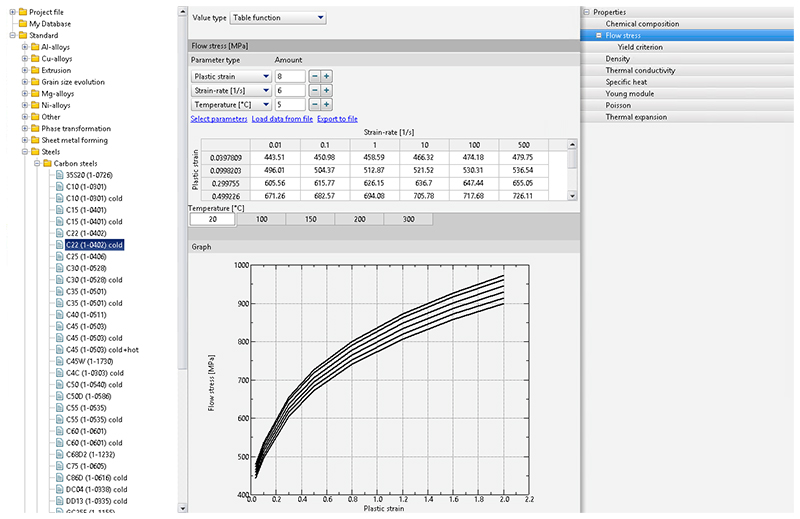
QForm UK comes with a huge database of deformed materials, tool materials, drives and lubricants. There are models of mechanical, hydraulic and screw presses, hammers, rotational equipment and several friction models specified in the program
QForm UK predicts defects, analyzes the tool's life cycle, selects equipment, and calculates material consumption. Specialized modules take into account the specifics of each individual operation — rolling, ring rolling, extrusion, sheet metal forming. The convergence of simulation results with real production data has been consistently confirmed.
QForm UK user’s manual is translated into the most popular languages and includes descriptions of all features of the program as well as many interesting examples, tutorials, and theoretical basics of metal forming processes simulation in QForm UK written in an easy-to-understand style.
QForm Group has more than 35 years of experience in software development. Our employees have M.S. and Ph.D degrees in the metal forming field. The software works in different languages and is widely used in more than 50 countries around the world by industrial plants as well as leading universities and research centers. We work to ensure that all our developed software has the best user-friendly interface and the highest accuracy of calculations. QForm UK users have confidence in the high efficiency of the program and the economic value obtained through the realistic simulations.
From 27 to 29 April 2026 the 29th annual ESAFORM conference (European Scientific Association for Material Forming) took place in the historic and vibrant city of Thessaloniki, Greece. Micas Simulations Ltd participated as a Gold Sponsor and joined researchers and industry experts from across Europe.
Nikolay Biba and Polina Shtolina‑Biba represented Micas Simulations at scientific talks and networking meetings
Nikolay Biba delivered two presentations:
An AI-based approach to developing a microstructural model for multi-stage hot deformation processes;
Charge weld evolution in profile extrusion: variability across billets and multi-profile designs.
Every two years, Dr.-Ing. Hans-Willi Raedt organizes a meeting for QForm UK users — and this time, the event was a great success: nearly 40 participants attended to share their experiences and explore the software’s new features.
The event program included:
• An overview of new features in QForm UK version 12
• Hands-on workshops with a detailed introduction to special functions
• Presentations on various topics from the world of QForm UK
• 7 presentations by enthusiastic users who shared real-world case studies and best practices
At the wire and Tube trade fair, held in Düsseldorf in April 2026, the QForm Group as Micas Simulations Ltd. and prosimalys GmbH participated with a booth and showed to the industry the benefits of simulating various metal forming processes using QForm UK software.
The wire manufacturing industry is currently growing rapidly and this is particularly evident at events such as Wire & Tube.
As part of the QForm Academy, we have prepared eight webinars for you.
These cover the most popular topics, such as APIs and report generation, as well as all-new cases, including wire drawing simulation, sheet rolling, and Conform extrusion, along with an overview of our new ExtrusionLink solution for extruder and die manufacturers.
Registration is open — welcome!
In February, the QForm Group team, together with our distributors Applied Design Analysis Corporation (ADA), held a seminar on extrusion simulation. The event covered a wide range of topics: from reviewing real-world cases on improving extrusion processes and using the API for resource savings to efficient profile heating in QForm UK.
Our team would like to express our sincere gratitude to all participants for their interest in simulation and extrusion technologies. We were delighted to answer all your questions!
With the arrival of spring, we’re opening registration for our online training courses. The full schedule is now available, and everyone is welcome to join.
Why participate?
• Ask questions and interact with the trainer throughout the course
• Get a 7-day free QForm license to practice and refine your simulation skills
• Benefit from structured, in-depth content suitable for both beginners and advanced users
• Ideal for students preparing for the International Student Olympiad
